 ultimate-guide
Benefits of Sleep Dentistry for Procedures
Table of Contents
- What Sleep Dentistry Actually Means for Your Appointment
- Dental Sedation Options Available in Australia
- The Real Benefits of Sleep Dentistry for Common Procedures
- Managing Dental Anxiety: Why It Stops People Getting Care
- Which Procedures Benefit Most from Sedation
- Recovery Time After Dental Sedation: What to Expect
- Is Sleep Dentistry Right for You?
- Frequently Asked Questions
Last Updated: September 1, 2026
What Sleep Dentistry Actually Means for Your Appointment
Sleep dentistry is a broad term for dental treatment carried out while a patient is sedated, ranging from light relaxation to full general anaesthetic, so that fear, discomfort, or complex clinical needs no longer stand in the way of care. It does not always mean you are fully unconscious. Depending on the sedation level chosen, you may be drowsy and deeply relaxed, or you may have no memory of the procedure at all.
At Bridge Street Dental Toowoomba, we use sleep dentistry to help patients who would otherwise postpone or avoid treatment entirely. The goal is straightforward: give people access to the dental care they need, without the experience that kept them away in the first place.
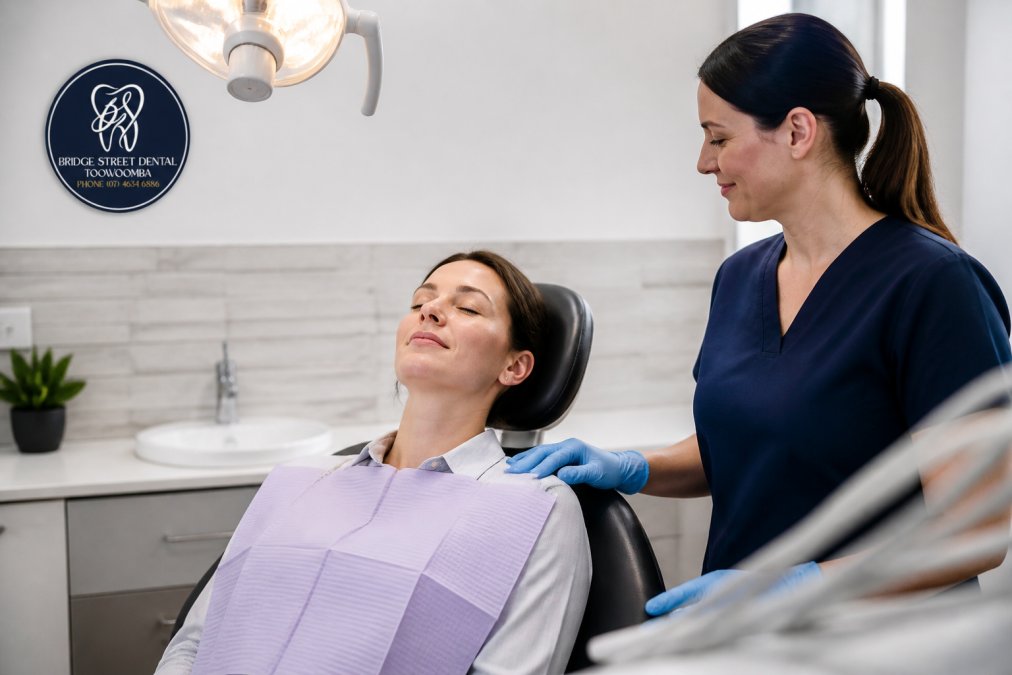
(Image description for the vision impaired: A calm, reassured adult patient reclining in a modern dental chair with eyes gently closed, a dental professional in scrubs standing nearby with a reassuring hand gesture, in a bright, clean clinical room with soft overhead lighting)
What most people do not realise is that sleep dentistry is not reserved for complex surgical cases. Routine fillings, scale and cleans, and cosmetic procedures can all be performed under sedation when a patient needs it. The clinical outcome is the same; the experience is entirely different.
According to the Australian Dental Association's patient information resources, sedation dentistry is a well-established and commonly used approach across general and specialist dental practices in Australia. The type of sedation offered depends on the procedure, the patient's medical history, and the level of anxiety involved.
Dental Sedation Options Available in Australia
Several distinct dental sedation options are available in Australia, and the right choice depends on the procedure, the patient's health profile, and how significant their anxiety is. Understanding the differences helps you have a more informed conversation with your dentist before you commit to anything.
Nitrous Oxide (Happy Gas)
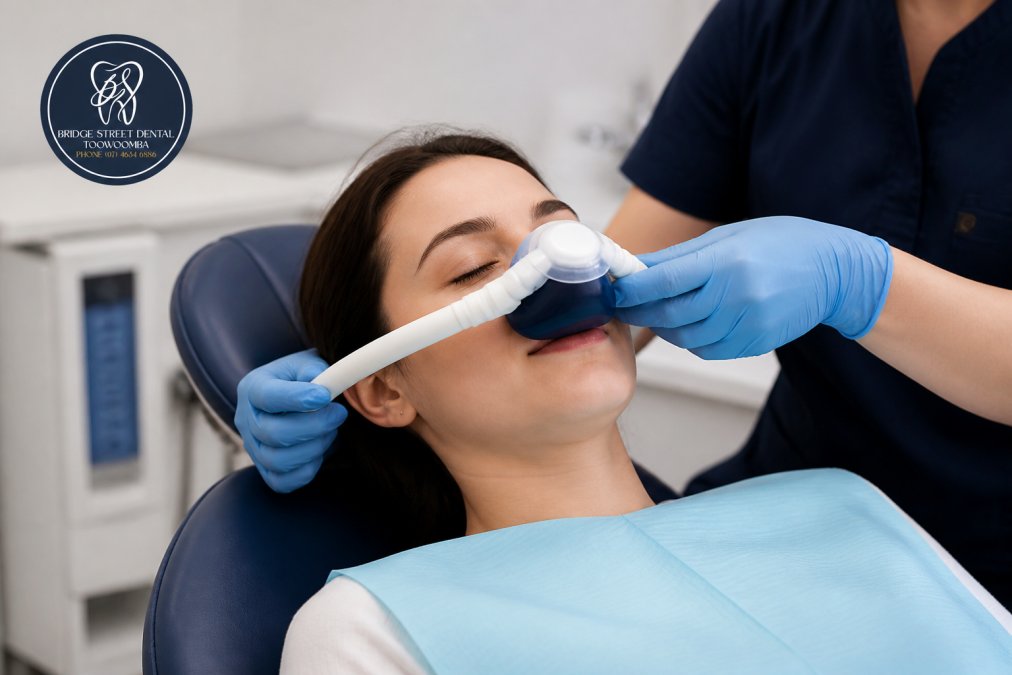
Nitrous oxide is the lightest form of dental sedation available. Administered through a small mask placed over the nose, it produces a calm, slightly euphoric “floaty” feeling within minutes. Patients remain fully conscious and can respond to instructions throughout the procedure.
The gas wears off quickly once the mask is removed, which means most patients can drive home and return to normal activities the same day. It is commonly used for anxious adults, children, and patients undergoing straightforward procedures like fillings or scale and cleans. A common mistake is assuming happy gas is only for children; many adults find it makes even a routine procedure significantly more manageable.
Oral Sedation
Oral sedation involves taking a prescribed medication before your appointment, typically a benzodiazepine, which produces moderate sedation. You remain conscious but deeply relaxed.
Because the medication takes time to metabolise, you will need someone to drive you home. Oral sedation is well suited to patients with moderate anxiety who want more than happy gas provides but do not require the depth of IV sedation. Setup for this option typically begins at the consultation stage, where your dentist reviews your medical history and prescribes the appropriate medication or advises you on what to ask your GP to prescribe for your dental appointment.
IV Sedation and General Anaesthetic
IV sedation delivers sedative medication directly into the bloodstream through a cannula, producing a deeper and more controllable level of sedation than oral options. Patients are often described as being in a "twilight" state: deeply relaxed, largely unaware of the procedure, and with minimal memory of it.
General anaesthetic takes this further, rendering the patient fully unconscious. This option is used for complex surgical procedures, patients with severe dental phobia, or those with medical or behavioural conditions that make conscious treatment impractical. As noted by the Australian Society of Anaesthetists' patient resources, general anaesthetic in a dental setting requires the involvement of a qualified anaesthetist and is subject to strict clinical protocols.
Bridge Street Dental Toowoomba offers dental treatment under general anaesthetic at St Andrews Hospital for patients of all ages, which is a capability not universally available at general dental practices.
The Real Benefits of Sleep Dentistry for Common Procedures
The benefits of sleep dentistry for procedures go well beyond simply reducing fear in the chair. There are practical, clinical, and long-term health advantages that many patients do not consider until they have experienced it firsthand.
Completing more treatment in fewer visits. Under sedation, a dentist can often complete work across multiple teeth or quadrants in a single appointment. For someone with a busy schedule or significant anxiety, this is a meaningful advantage.
Eliminating the gag reflex. A strong gag reflex can make even basic procedures difficult or impossible without sedation. Sleep dentistry removes this barrier entirely.
Reducing procedural movement. Patients under sedation remain still, which improves precision and reduces the risk of complications, particularly during surgical procedures like extractions or implant placement.
Breaking the avoidance cycle. Many patients who use sleep dentistry for the first time describe it as a turning point. Once they have experienced a procedure without distress, the psychological barrier to returning for future care is substantially lower.
Access for complex medical needs. Patients with conditions such as severe autism, cerebral palsy, or other disabilities that make conscious treatment unsafe or impractical can receive comprehensive dental care under general anaesthetic that would otherwise be inaccessible.
Benefit | Who It Helps Most | Procedure Type |
|---|---|---|
Fewer visits needed | Busy adults, anxious patients | Restorative, cosmetic |
Gag reflex management | Adults with strong gag response | All procedures that trigger the gag reflex |
Reduced movement | Surgical cases, children | Extractions, implants |
Breaking avoidance cycle | Long-term dental avoiders | Any procedure |
Access for complex needs | Patients with disabilities | All procedures |
Managing Dental Anxiety: Why It Stops People Getting Care
Dental anxiety is not a personality flaw. It is one of the most prevalent forms of health-related fear, and it has real consequences: people avoid care, small problems become large ones, and the eventual treatment required is far more extensive than it would have been.
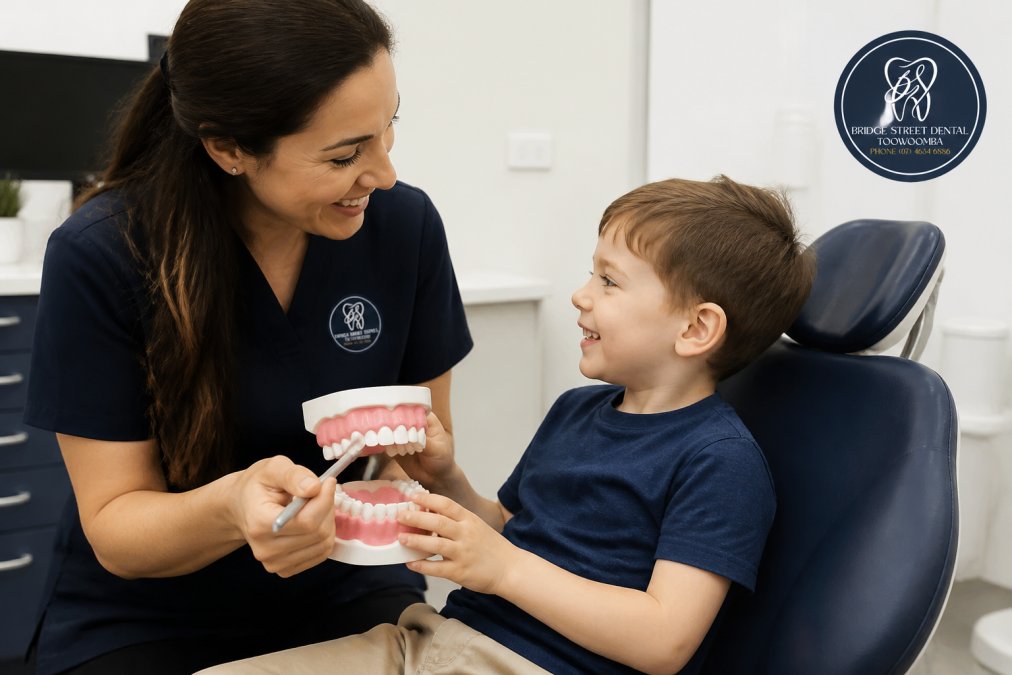
The thing nobody tells you about managing dental anxiety is that willpower alone rarely works. The fear is often rooted in a previous painful or distressing experience, and no amount of telling yourself to "just relax" changes the physiological stress response once you are in the chair.
This is where sleep dentistry changes the equation. Rather than asking an anxious patient to push through their fear, it removes the fear-inducing experience from the equation entirely. According to the Australian Psychological Society's resources on health anxiety, avoidance behaviour reinforces anxiety over time. Sleep dentistry interrupts that cycle by creating a neutral or positive association with dental treatment.
A common pattern we see is patients who have not attended a dentist in years, sometimes a decade or more. They are not irresponsible; they are genuinely frightened. The reassurance they need is not just "it won't hurt", it is knowing that a clinical mechanism exists to ensure it won't.
Which Procedures Benefit Most from Sedation
Not every dental procedure requires sedation, but certain treatments are consistently better tolerated, and more successfully completed, when sleep dentistry is involved.
Wisdom teeth removal is the procedure most commonly associated with sedation, and for good reason. Surgical extractions, particularly impacted wisdom teeth, involve significant pressure and sound that can be distressing even when pain is controlled. Sedation removes the conscious experience of the procedure. Wisdom Teeth Removal in Toowoomba is a procedure where sedation is particularly beneficial, and the team at Bridge Street Dental can discuss which sedation option suits your specific case.
Extensive restorative work such as multiple crowns, bridges, or full-mouth rehabilitation often involves long appointments. Oral sedation makes these practical for anxious or dentally phobic patients who could not tolerate extended chair time under normal conditions.
Dental implant placement benefits from sedation for similar reasons: the procedure involves drilling into bone, and while local anaesthetic controls pain, the sounds and sensations can be difficult for anxious patients.
Paediatric dentistry for highly anxious or uncooperative children sometimes requires sedation to ensure both safety and a successful clinical outcome. General anaesthetic is sometimes the only viable option for very young children or those with significant behavioural needs.
Scale and clean for severe dental phobia may seem minor, but for a patient with extreme anxiety, even a hygiene appointment can be impossible without sedation.
Recovery Time After Dental Sedation: What to Expect
Recovery time after dental sedation varies considerably depending on the type used, and understanding what to expect helps patients plan appropriately.
Nitrous oxide has the fastest recovery. Most patients feel entirely normal within 15 to 30 minutes of the mask being removed. Driving and returning to work the same day is generally feasible, though your dentist will confirm this based on how you feel.
Oral sedation requires more planning. The sedative medication remains active for several hours after the appointment. Most patients feel drowsy for the remainder of the day and should plan to rest. A responsible adult must accompany you home, and you should not drive, operate machinery, or make significant decisions for at least 24 hours.
IV sedation produces a similar recovery profile to oral sedation, though the depth of sedation is typically greater. Grogginess, mild nausea, and patchy memory of the appointment are common in the hours immediately after. Most patients feel substantially better by the following morning, though individual recovery varies.
General anaesthetic carries the most significant recovery requirement. Patients will need a responsible adult to take them home and stay with them for the remainder of the day. Fatigue and mild disorientation are normal for 24 to 48 hours. Your clinical team will provide specific post-operative instructions based on the procedure performed.
A practical checklist for the day of sedation:
- Arrange a responsible adult to drive you home (required for oral sedation, IV sedation, and general anaesthetic)
- Confirm fasting requirements with your dentist in advance (required for IV sedation and general anaesthetic)
- Avoid alcohol for at least 24 hours before and after
- Wear comfortable, loose clothing to the appointment
- Leave valuables at home if possible
- Do not book important commitments for the day of or day after sedation
Is Sleep Dentistry Right for You?
Sleep dentistry is appropriate for a broader range of patients than many people assume. The question is not whether your anxiety or clinical need is "bad enough" to justify it; the question is whether sedation would make your treatment safer, more effective, or more likely to happen at all.
Patients who typically benefit most include those with a strong gag reflex, a history of traumatic dental experiences, severe dental phobia, complex or lengthy treatment needs, or medical and behavioural conditions that make conscious treatment impractical.
The real difference between patients who use sleep dentistry and those who do not is rarely clinical severity. It is often just awareness that the option exists.
A consultation is the right starting point. Your dentist will review your medical history, discuss the procedure involved, and recommend the most appropriate sedation option. There is no obligation to proceed, and a good clinical team will never pressure you into a treatment plan you are not comfortable with.
As outlined in the Australian Dental Association's guidelines on sedation and anaesthesia in dentistry, patient suitability for sedation is always assessed on an individual basis, with informed consent and a thorough medical review forming the foundation of any sedation plan.
Dental anxiety and complex treatment needs should not mean going without care. Bridge Street Dental Toowoomba offers dental treatment under general anaesthetic for patients of all ages, alongside a full range of sedation options (with the exception of IV Sedation/Twilight sedation) for procedures from routine fillings through to surgical extractions. The team of five experienced dentists, including Dr Jane Vlismas, Dr Michael Vlismas, Dr Jonathan Loughlin, Dr Gregory Hulme-Peake, and Dr Ainsley Veivers, takes a genuinely unhurried approach to anxious patients. Book Online Here to discuss which sleep dentistry option suits your situation.
Frequently Asked Questions
Is sleep dentistry the same as being put to sleep?
Not necessarily. Sleep dentistry covers a range of sedation levels, from light relaxation with nitrous oxide (happy gas) through to full general anaesthetic where you are completely unconscious. Most patients receive conscious sedation, meaning they remain responsive but feel deeply relaxed and have little or no memory of the procedure. Your dentist will recommend the most appropriate level based on your health history, anxiety level, and the complexity of the treatment planned.
Who is a suitable candidate for sleep dentistry?
Sleep dentistry suits patients with significant dental anxiety, a strong gag reflex, complex treatment needs requiring long appointments, or certain medical conditions that make standard treatment difficult. Children who cannot cooperate with dental care and adults who have avoided the dentist for years due to fear are also good candidates. A thorough medical assessment is required beforehand to confirm which sedation method is safest for you. Your dentist will discuss your full medical history at a consultation before recommending any sedation option.
How long does it take to recover from sleep dentistry?
Recovery time after dental sedation depends on the type used. Nitrous oxide clears your system within minutes, so most patients drive home after a brief rest. Oral sedation and IV sedation require you to arrange a responsible adult to drive you home, and you should plan to rest for the remainder of the day. General anaesthetic typically requires a few hours of monitored recovery at the facility before discharge, with most patients feeling back to normal within 24 hours, though individual responses vary.
Does Medicare cover the cost of sleep dentistry in Australia?
Medicare generally does not cover routine dental procedures, including sedation for standard treatments. However, some sedation costs may be partially covered under private health insurance extras cover, depending on your policy. For children, the Child Dental Benefits Schedule may cover certain basic services but does not typically extend to sedation costs. Costs vary depending on the type of sedation and procedure involved. Check your specific policy details and speak with your dental practice about what out-of-pocket expenses to expect before proceeding.
Frequently Asked Questions
Q: Is sleep dentistry the same as being put to sleep?
A: Not necessarily. Sleep dentistry covers a range of sedation levels, from light relaxation with nitrous oxide (happy gas) through to full general anaesthetic where you are completely unconscious. Most patients receive conscious sedation, meaning they remain responsive but feel deeply relaxed and have little or no memory of the procedure. Your dentist will recommend the most appropriate level based on your health history, anxiety level, and the complexity of the treatment planned.
Q: Who is a suitable candidate for sleep dentistry?
A: Sleep dentistry suits patients with significant dental anxiety, a strong gag reflex, complex treatment needs requiring long appointments, or certain medical conditions that make standard treatment difficult. Children who cannot cooperate with dental care and adults who have avoided the dentist for years due to fear are also good candidates. A thorough medical assessment is required beforehand to confirm which sedation method is safest for you. Your dentist will discuss your full medical history at a consultation before recommending any sedation option.
Q: How long does it take to recover from sleep dentistry?
A: Recovery time after dental sedation depends on the type used. Nitrous oxide clears your system within minutes, so most patients drive home after a brief rest. Oral sedation and IV sedation require you to arrange a responsible adult to drive you home, and you should plan to rest for the remainder of the day. General anaesthetic typically requires a few hours of monitored recovery at the facility before discharge, with most patients feeling back to normal within 24 hours, though individual responses vary.
Q: Does Medicare cover the cost of sleep dentistry in Australia?
A: Medicare generally does not cover routine dental procedures, including sedation for standard treatments. However, some sedation costs may be partially covered under private health insurance extras cover, depending on your policy. For children, the Child Dental Benefits Schedule may cover certain basic services but does not typically extend to sedation costs. Costs vary depending on the type of sedation and procedure involved. Check your specific policy details and speak with your dental practice about what out-of-pocket expenses to expect before proceeding.